
The complex history of early distilling in Scotland and Ireland, and why a simple question of spelling might not be as simple to answer as it seems

This seemingly small difference carries an emotional weight for many people, as the spelling ‘whisky’ is strongly associated with Scotland, while ‘whiskey’ is more commonly used in Ireland and the United States. As such, asking which spelling is correct can start to rhyme with the question ‘which of these countries produces the best whiskies?’
Here at The Whisky Exchange, we normally spell it without the e because we were founded in the UK and started out primarily selling Scotch whisky. However, we’ve always championed whisky-making around the world, and we’ve never had a problem with using the ‘e’ spelling where producers prefer it. Whether you’re dealing with a whiskey or a whisky, it’s all aged spirit made from grain at the end of the day.
But, this does still leave us with the question of why different spellings are used in different places.
Ireland, Scotland and the origins of modern whisky
We’ll never truly know where the first whisky/whiskey as we know it today was made, but we can say for sure that distilling likely arrived in Ireland first. In the 13th century, the so-called island of saints and scholars was home to a high concentration of monasteries and other holy sites that served as centres of science and learning. These formed part of a network of Catholic orders that stretched across Europe and allowed Irish monks to travel to France, Spain, Italy and beyond. At some point during this time, alembic distillation – which had originated in the Islamic world – reached Ireland with the advent of distilled alcohol following shortly after. What they were making at that time wasn’t yet whisky or whiskey and was commonly known to speakers of Celtic languages as some form of the term ‘uisgea beatha’ – the water of life.
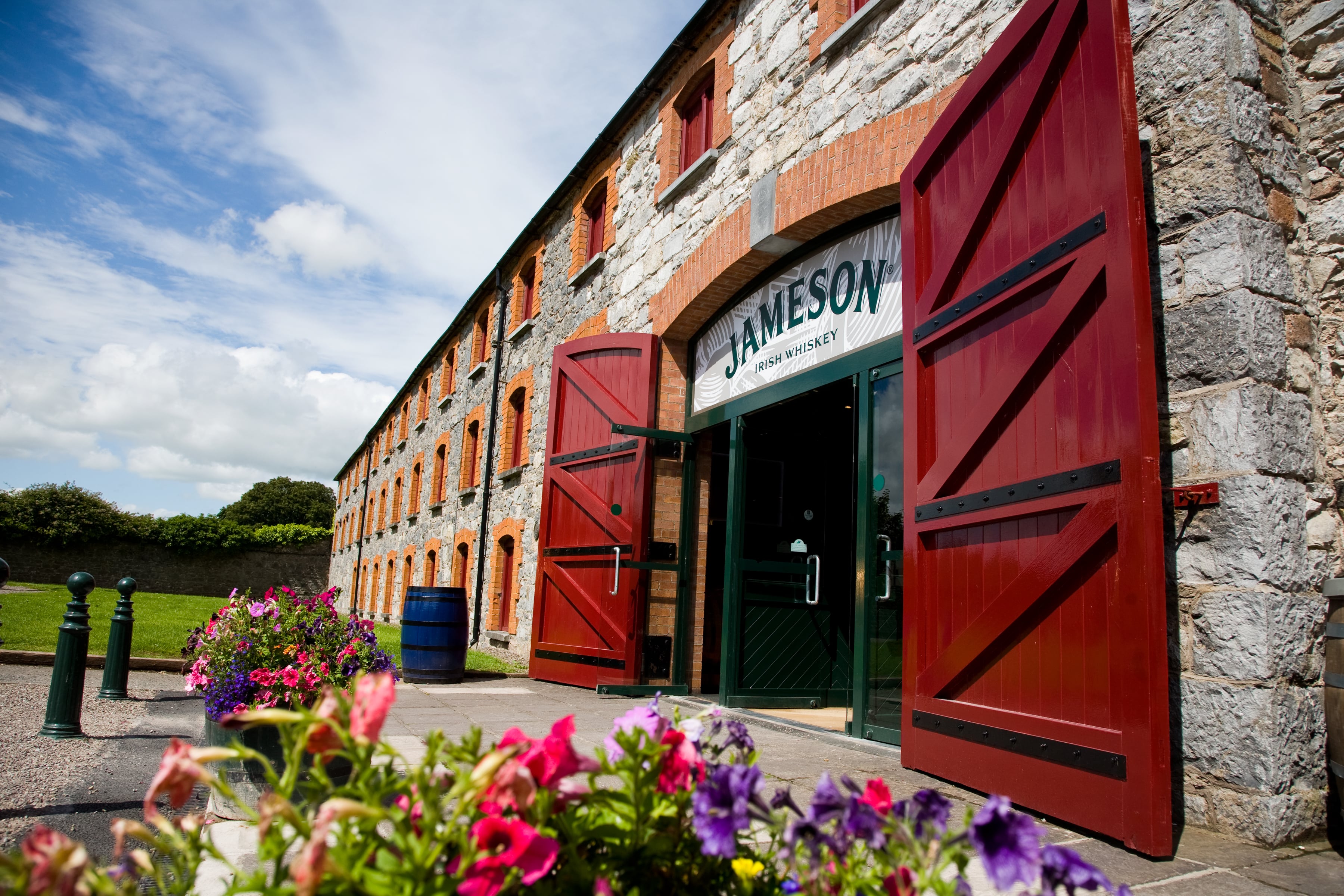
The migration of peoples between Ireland and Scotland meant that distilled beverages subsequently became a part of life throughout the region. The shaky legal status of distilling in Scotland during this period, and quite possibly the head start enjoyed by Irish distillers, meant that Ireland had developed a modern concept of whisky and an international reputation for distilling by the late 18th century.
So, as we can say with some certainty that Ireland had the first modern whisky industry, we can probably decide the ‘e’ spelling is older and therefore more correct, right? Well unfortunately, things are not that simple.
In the beginning, there was whiskey
Some sources will tell you that Irish whiskey is always and was always spelled with an ‘e’ while Scotch whisky is and was always without it. It’s also commonly said that in Japan they use the Scottish spelling and in the United States they favour whiskey over whisky. However, there are plenty of examples that prove this wrong.
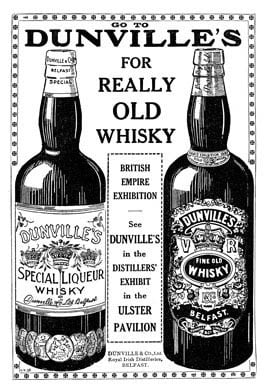
Delve into the history of Scotch whisky and you’ll find that while the e-less spelling was fairly consistent, there’s also plenty of documentation that refers to ‘whiskey’ being made in the Highlands. Proof at least that there wasn’t always such a crisp divide. Across the Irish Sea, you’ll also find old advertisements that proudly promote ‘whisky’ including many from brands that changed their tune at some point in the 20th century.
Modern Irish distillery Blackwater favours ‘whisky’. In Japan, they mostly follow the Scots way of doing things, but brewing and distilling giant Kirin markets grain whiskey from Fuji Gotemba distillery. In the USA, there’s no shortage of whiskey being made but also some big brands that have always spelt it whisky and show no intention of changing things – Maker’s Mark in Kentucky and George Dickel in Tennessee to name but two. All of this suggests that this is a matter of regional variation, heritage and personal preference rather than a case of who is right or wrong.
We’re happy to respect whichever spelling a producer uses when stocking and writing about their product. But as we said at the beginning of all this, whether it’s whiskey or whisky in your glass, we think it’s probably all good.